Blog
Prioritizing microwave hop trims when the budget won't cover the whole network
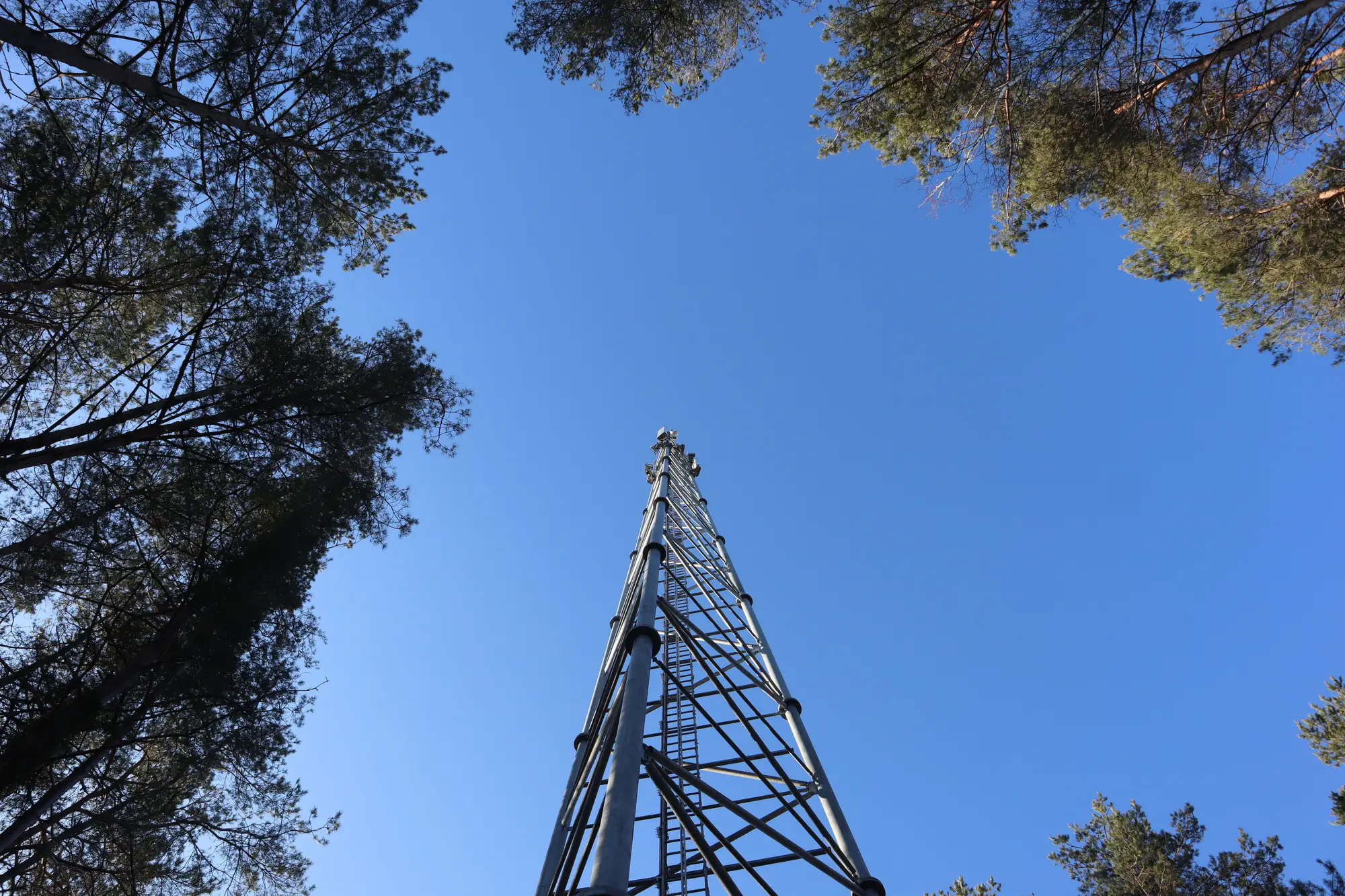
Every transmission planner hits the same wall eventually. The trim budget covers maybe a third of the hops that need attention this year, and the other two-thirds get pushed to "next cycle" until a fade event on a summer afternoon moves one of them to the top of the list the hard way. If you're staring at a spreadsheet of hop IDs trying to decide which ones get a crew first, here's the ranking logic that holds up under budget pressure.
Start with clearance margin, not canopy height alone
A 30-meter oak next to a 60-meter-high hop is a non-issue. The same tree under a low-slung spur at 18 meters AGL is a problem next growing season. Raw canopy height tells you almost nothing on its own. What matters is how much of the Fresnel zone that canopy is already eating, and how fast the gap is closing.
Rank by percentage of first Fresnel zone intruded, not by tree height in meters. A hop at 40% intrusion with a fast-growing species underneath (poplar, eucalyptus, certain pines) moves up the list ahead of a hop at 25% intrusion with slow-growing hardwood, even if the second tree is physically taller today. Growth rate is the variable most planners skip, and it's the one that determines whether a hop that's marginal this year becomes a fault ticket next year.
Weight by what the hop actually carries
Not every link degrading equally matters equally. A spur serving a single low-traffic site and a ring segment carrying aggregated backhaul for six downstream towers are not the same priority, even if their encroachment numbers are identical. Build the ranking around three inputs, not more:
- Fresnel intrusion percentage (how close to failure)
- Growth trajectory of the species involved (how fast that number gets worse)
- Downstream impact if the hop fades (how many sites or customers ride on it)
Multiply roughly, don't average. A hop at 60% intrusion on a single-site spur might still rank below a hop at 35% intrusion on a six-site ring, because the second one failing takes down a lot more than the first.
For most operators, the weak point is the data feeding that logic. Fresnel intrusion percentage requires knowing actual canopy height against your clearance envelope, hop by hop, and that number is usually six months to two years stale by the time anyone looks at it, because the last ground survey was a crew walking a sample of hops, not all of them. Growth trajectory requires a second data point in time, which most operators don't have at all. An annual canopy-height pass per link gives you both: a current height against the envelope and, after the second year, a real growth rate per site instead of a guess based on species and local climate.
Build the list, then protect it from the squeaky wheel
Once you have a ranked list, the fight is keeping it ranked. A field tech who drives past a hop with a visibly leaning tree will flag it, and that flag will pull crew time away from a hop that's actually closer to Fresnel failure but less dramatic to look at from the access road. That's not a criticism of the tech. A visual read from the ground is a reasonable thing to escalate. But it shouldn't reorder a list built on clearance math unless the ground report changes the clearance math (a storm-damaged lean, a species ID that revises the growth estimate).
Keep the ranked list as the budget allocation tool and treat ground reports as inputs that can move a hop up, not replace the ranking method. If a hop needs to jump the queue, it should be because new information changed its intrusion percentage or growth trajectory, not because someone drove by it this week and someone else didn't drive by hop 47.
The gap between "we have a trim budget" and "we trimmed the right hops" is almost always a data gap, not a judgment gap. Most teams rank correctly once they can see Fresnel intrusion per hop against a clearance envelope. Getting that number without sending a crew to every site to measure it is the harder part, and it's the problem Link Vegetation Monitor is built around.
If your trim list is still built on which hops someone remembered to drive past this year, it might be time to put an annual canopy pass against every hop in the network instead.