Blog
Notes on link clearance
2026-11-16
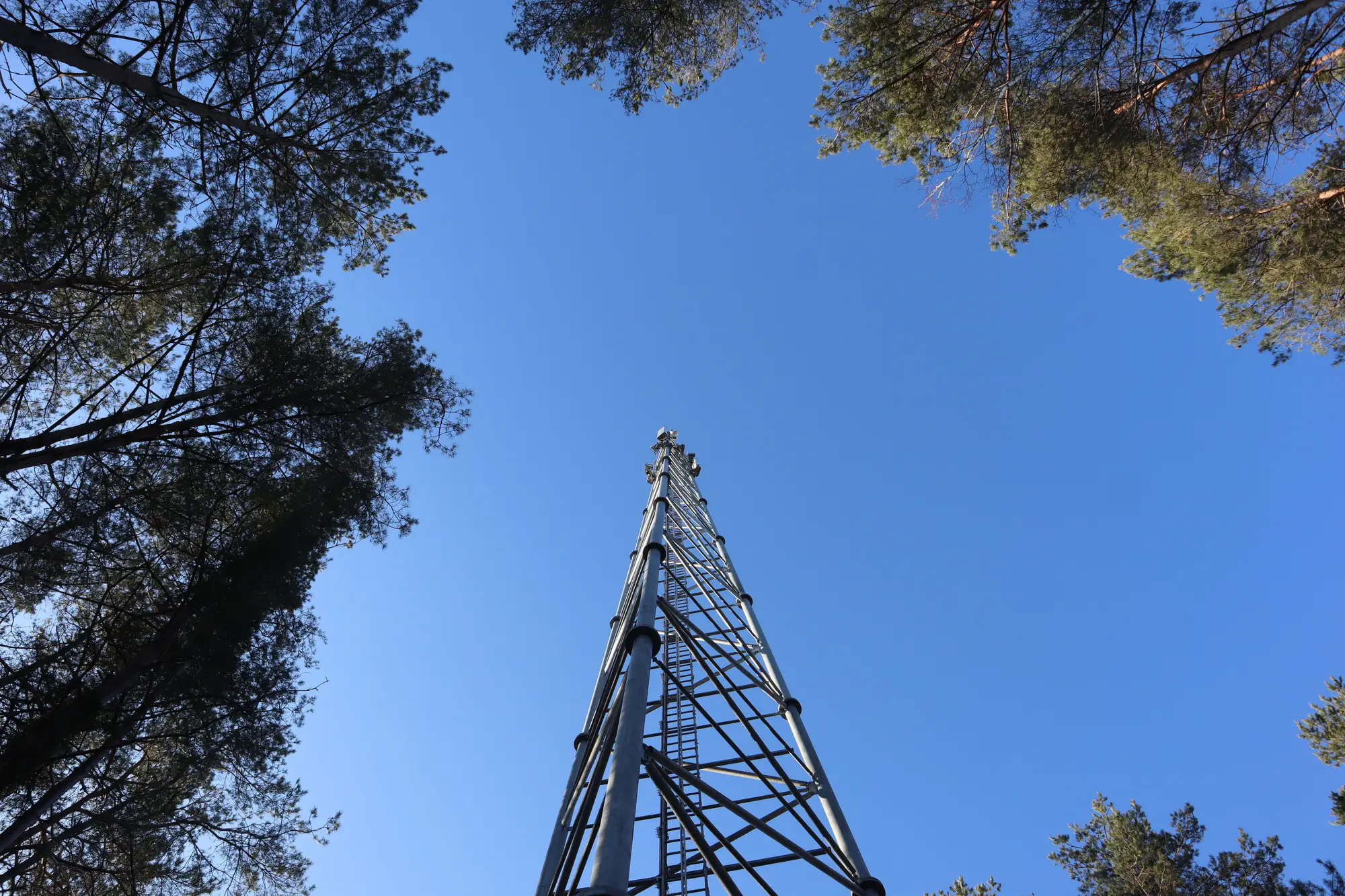 Field notes: the year two crews measured the same tree two different heights
A field story about why the same tree can get two different height calls, and what that seven-foot gap means for Fresnel clearance planning.
2026-11-16
 Multipath fade vs vegetation fade: how to tell them apart on a link budget
How to tell multipath fade from vegetation fade in your RSL logs and link budget before you send a crew out to trim a hop.
2026-11-09
Prioritizing microwave hop trims when the budget won't cover the whole networkA ranking method for trim crew budgets: which microwave hops to cut first when vegetation encroachment outpaces what you can afford this cycle.
2026-11-09
 Path profile vs. Fresnel clearance report: what each document shows
A path profile plots terrain and antenna heights along a hop. A Fresnel clearance report checks what's growing into that envelope. Here's the difference.
2026-11-02
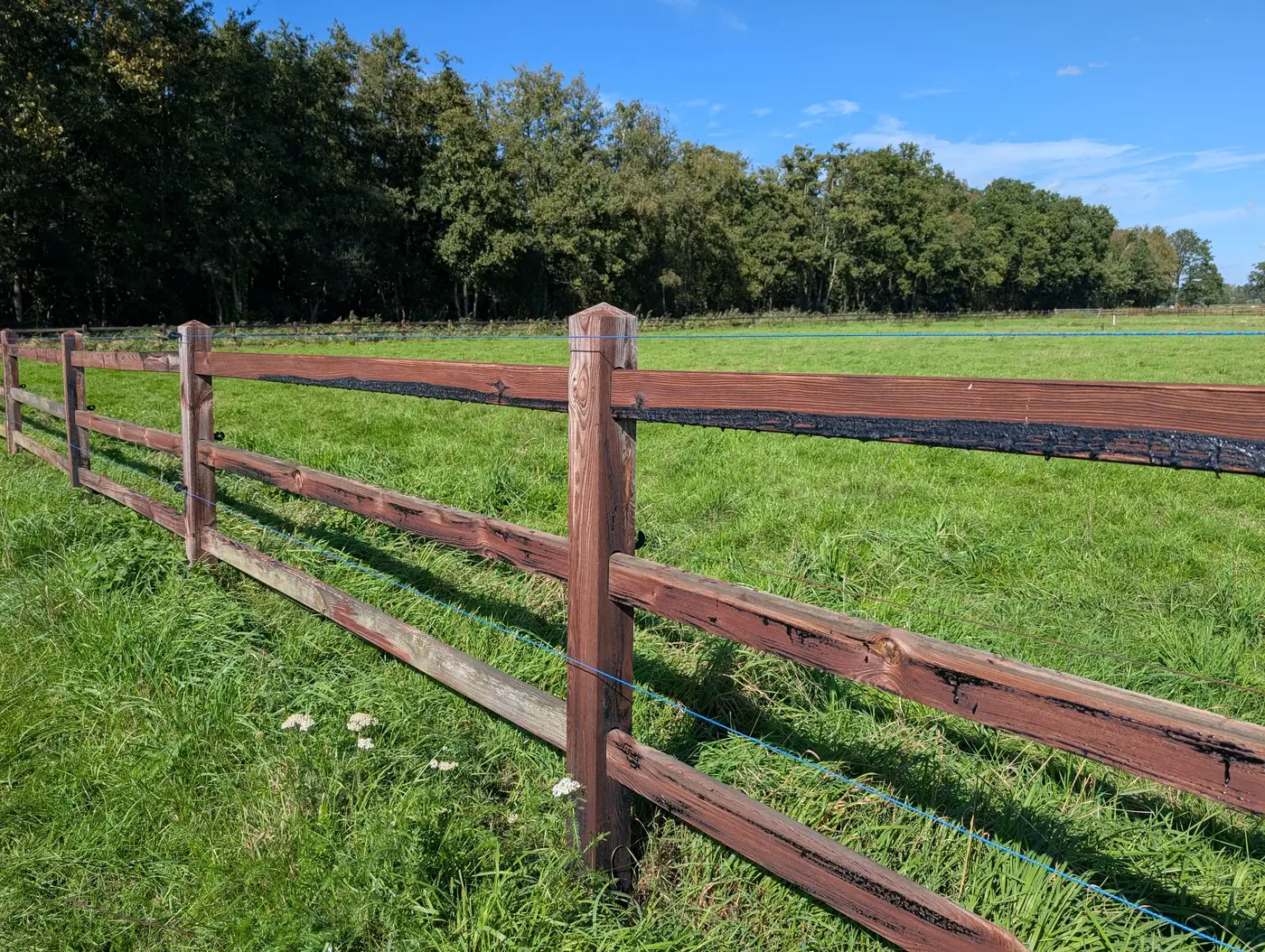 Field notes: the windbreak that grew into three hops in one season
A field note on how one fast-growing windbreak crept into the Fresnel zone of three separate microwave hops in a single growing season.
2026-11-02
What is a clearance margin in a microwave link vegetation report?Clearance margin, explained the way a transmission planner reads it: canopy height against the Fresnel envelope, span by span.
2026-10-26
Negotiating vegetation trimming access with landowners along a link pathA field guide for RF planners on getting landowner sign-off to trim trees along a microwave link path, from easement language to written notice.
2026-10-26
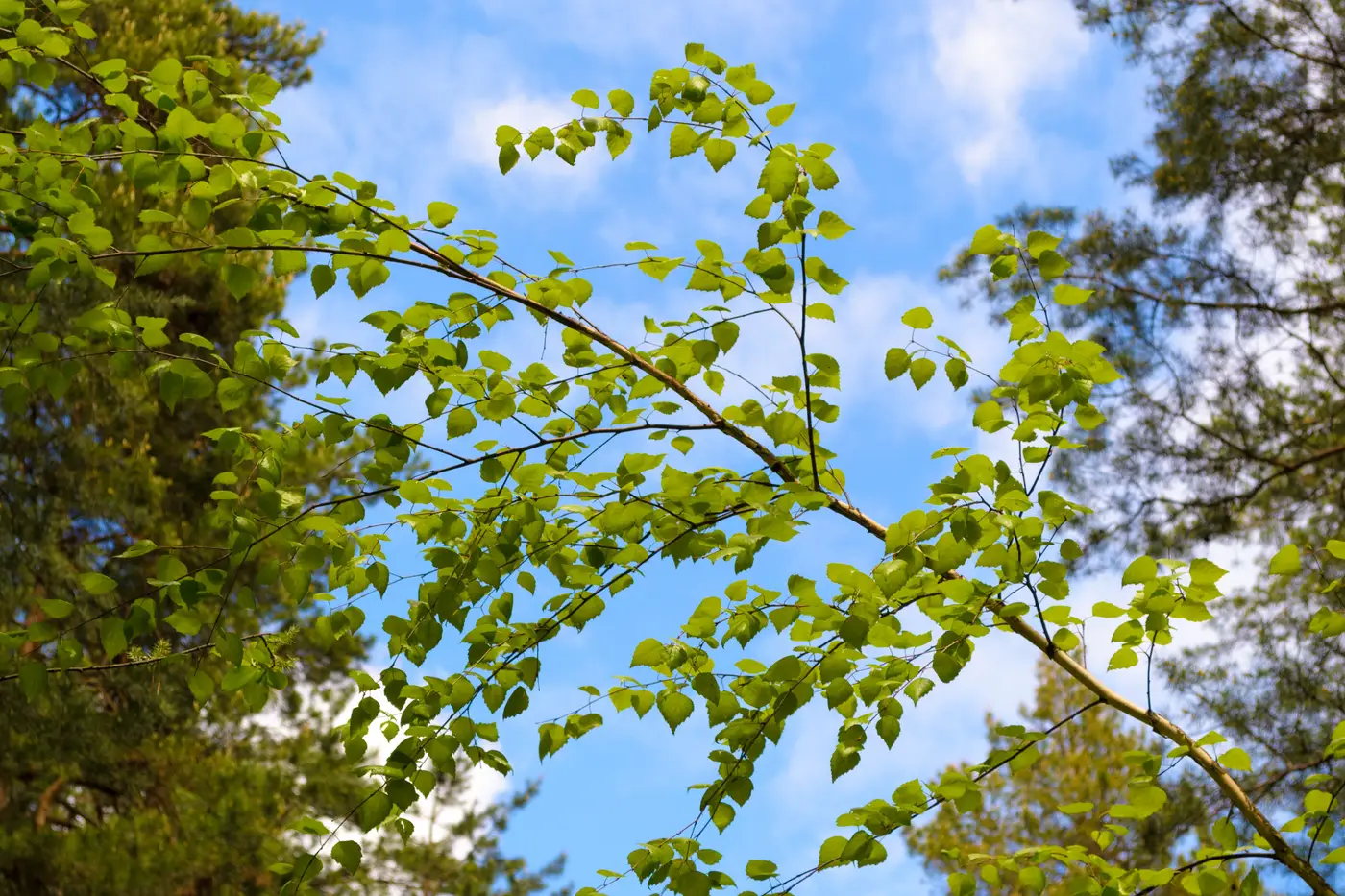 What GSD do you need to spot a tree encroaching your Fresnel zone?
Crown size and Fresnel zone geometry set the GSD you need to catch tree encroachment early.
2026-10-19
Canopy height model vs. ground survey: verifying a vegetation encroachment flagHow to read a canopy height estimate against a Fresnel clearance envelope and decide if a flagged hop needs a crew on the ground.
2026-10-19
Field notes: the hop that passed its flyover and failed six weeks laterWhy a hop can pass its annual flyover clean and still fail six weeks later, and what the clearance margin should actually account for.
2026-10-14
Satellite canopy height data vs walking the hop for link path surveysHow a satellite canopy height model stacks up against a ground crew walk for spotting vegetation encroaching on a microwave link path.
2026-10-14
What is a line-of-sight survey in microwave backhaul planning?A plain explainer on line-of-sight surveys, path profiles, and obstruction surveys in microwave backhaul, and why vegetation needs re-checking.
2026-10-13
How fast does a tree canopy grow into a line-of-sight path?Canopy growth rates by species, how fast growers close Fresnel clearance between inspections, and why a once-a-year walk-the-hop check isn't enough.
2026-10-13
How to calculate tree trim height along a microwave hopA walk-through of the math behind trim height: Fresnel radius, earth bulge, and converting canopy height into an actual cut number.
2026-10-07
Diffraction loss from partial Fresnel zone obstruction, explainedHow partial Fresnel zone obstruction turns into real diffraction loss in dB, why the curve isn't linear, and what it means for fade margin.
2026-10-07
Fresnel zone radius calculator: formula and worked exampleThe Fresnel zone radius formula with a worked example at 11 GHz over a 15 km hop, plus the clearance number planners use.
2026-10-07
How often to resurvey a microwave hop for vegetation growthResurvey intervals for microwave hops, keyed to growth rate not fault tickets. What drives the cadence and when annual isn't enough.
2026-10-07
What causes seasonal signal fade on a line-of-sight microwave linkWhy RSL on a clean LOS hop drops every spring and comes back every fall, and how to tell leaf-out fade from rain fade or multipath.